







Search Results for: Blue Mountain Coffee Purchase
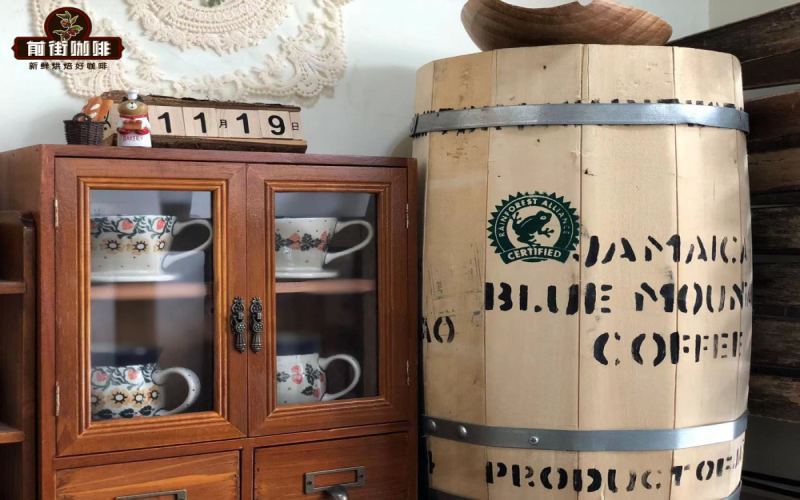
A Detailed Guide to Jamaican Blue Mountain Coffee Bean Grading Standards: From Grade 1 to Grade 3 and a Complete Guide to Blue Mountain No. 1's Flavor and Taste
Blue Mountain coffee, as Jamaica's most iconic coffee category, is highly sought after for its balanced taste and scarce production. However, the market is flooded with a large number of "Blue Mountain flavor" products; genuine Jamaican Blue Mountain coffee requires government certification, has limited annual production, and is relatively expensive. This article will systematically introduce the three-tier grading standards for Blue Mountain coffee beans, trace the historical context from their introduction to Jamaica in 1728, Japanese UCC assistance and priority purchasing rights, to the opening of the international market in 2008, and highlight Front Street Jamaican Blue Mountain No. 1 coffee beans—from the oldest Clifton estate, with Rainforest Alliance certification, presenting a balanced flavor of dark chocolate, nuts, and creamy smoothness through a medium-dark roast. [more…]
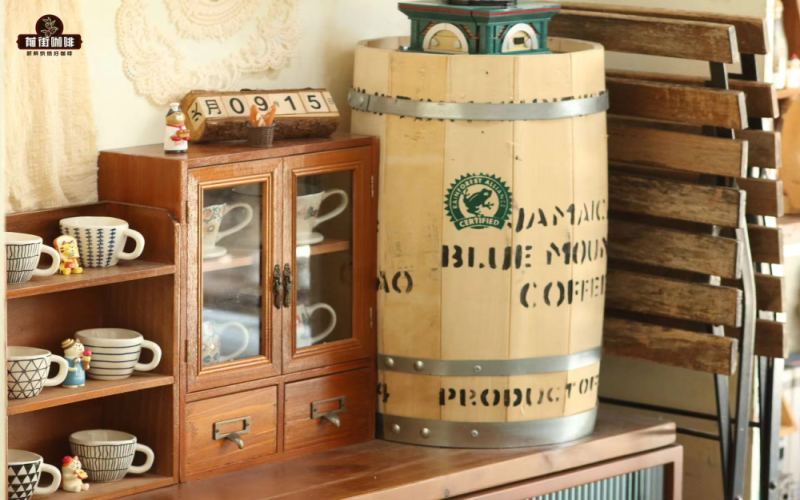
An Analysis of the Market Price of Authentic Jamaica Blue Mountain No. 1 Coffee Beans and a Reference Guide to Imported Brand Prices
Blue Mountain coffee, as the starting point for many people's introduction to specialty coffee, has long been regarded as synonymous with high-end coffee. However, after the Jamaican government abolished Japan's priority purchasing rights in 2012, the international market price of Blue Mountain coffee is no longer prohibitively high. This article will systematically review the producing region characteristics, grading standards, varieties, and processing methods of Blue Mountain coffee, and, combined with the import examples of FrontStreet Coffee, analyze the real selling price and brewing suggestions of authentic Blue Mountain No. 1 coffee beans, helping coffee enthusiasts establish a clear understanding of pricing and a reference for purchasing. [more…]
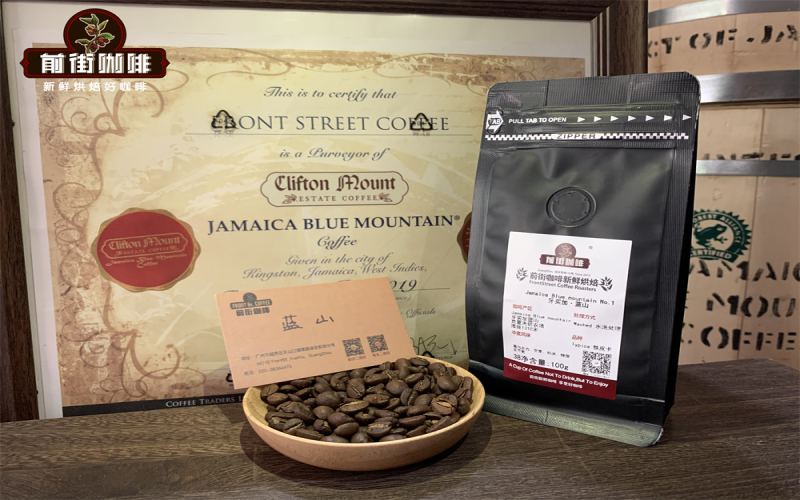
Blue Mountain Coffee Authenticity Guide: Flavor Characteristics and Brewing Key Points of Authentic Blue Mountain
Blue Mountain coffee is one of the most famous coffees in the world, yet its scarce production and chronic short supply mean counterfeit products flood the market year after year. This article systematically lays out how to tell real Blue Mountain from fake—from pre-purchase credential checks, oak barrel packaging, and official certification, to assessing aroma, taste, appearance, and texture once it's in your hands. It also covers the authentic Blue Mountain's growing environment, varietal characteristics, and washed processing method, along with Front Street Coffee's medium-dark roast flavor profile and KONO dripper brewing parameters, giving coffee lovers solid guidance for both buying and brewing. [more…]
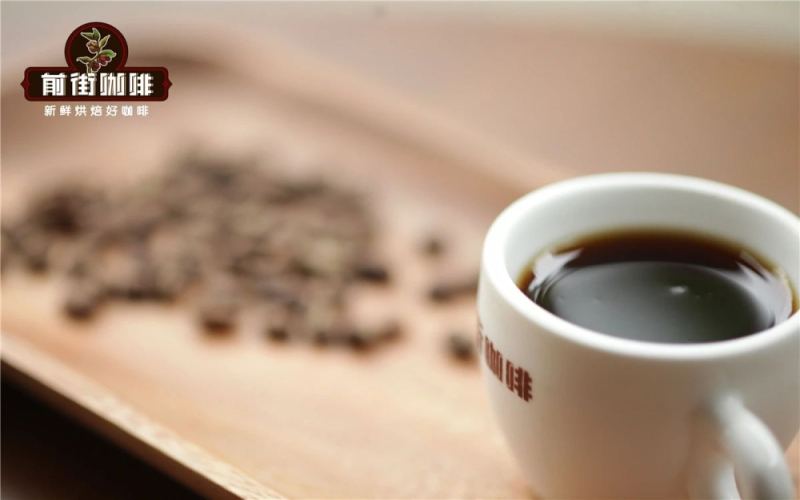
How to Identify Authentic Jamaican Blue Mountain Coffee? A Complete Guide from Oak Barrel Certification to Cup Tasting Flavor
Blue Mountain coffee has long stood at the pinnacle of the global coffee market thanks to its scarce yield and exceptional quality, yet this very status has made it a hotspot for counterfeiting. Products marketed as "Blue Mountain flavor" or "Blue Mountain blend" proliferate on the market, and consumers can easily end up paying a premium for fakes if they are not careful. This article systematically lays out practical methods for identifying authentic Blue Mountain coffee, from pre-purchase credential verification and the oak barrel shipping tradition to post-purchase assessment of aroma, taste, and appearance. It also introduces the growing environment, varietal characteristics, and washed processing method of Blue Mountain coffee, and includes Front Street Coffee's brewing parameters and extraction approach to help coffee lovers recreate a classic cup of Blue Mountain flavor at home. [more…]
Jamaican Blue Mountain Coffee Beans Flavor and Taste Analysis: Estate Production Region Growing Environment and Brand Introduction
Jamaica Blue Mountain coffee holds an unshakable status in the hearts of coffee lovers worldwide, with its balanced acidity, sweetness, body, and bitterness, elegant aroma, and smooth entry. However, true Blue Mountain coffee is produced in extremely limited quantities, and many so-called "Blue Mountain" coffees on the market are merely house blends. This article will guide you through Blue Mountain coffee's certification system, historical origins, the division of its three major growing regions, and how it differs from other Jamaican coffees, while also recommending related products from Front Street Coffee to help you understand and purchase this legendary coffee more rationally. [more…]
Jamaica Blue Mountain Coffee Flavor and Taste Analysis: A Comprehensive Overview of Growing Region Conditions, Variety Characteristics, and Processing Methods
Blue Mountain coffee originates from the Blue Mountains in eastern Jamaica. Thanks to its unique terroir and meticulous post-harvest processing, it has become one of the world's recognized premium coffees. This article begins with the geography of the producing region, its climate and soil, and the characteristics of its varieties to explain the source of Blue Mountain coffee's balanced sweetness, acidity, and bitterness along with its rich, mellow flavor. It also details how its harvesting, hulling, fermentation, and drying processes affect quality. At the same time, the article recommends related products from Front Street Coffee to make it easier for coffee lovers to purchase and taste. [more…]
A Detailed Guide to Jamaican Blue Mountain Coffee Grades: Grade 1, Grade 2, Grade 3 Specifications and Authentic Price Reference
Jamaican Blue Mountain coffee is world-renowned for its unique flavor and strict controls. Jamaican law stipulates that only coffee beans grown in the Blue Mountain region may bear the name "Blue Mountain." High-grade Blue Mountain coffee is divided into three grades—No. 1, No. 2, and No. 3—corresponding respectively to screen size standards of 17–18 mesh and above, 16 mesh, and 15 mesh. The green beans of all three grades must be packed into wooden barrels for export, with the barrel bearing the estate name, importer's abbreviation, and batch information, along with a government-certified green certificate of origin. Understanding these grades and export regulations helps coffee enthusiasts verify authenticity and make informed purchases of genuine Blue Mountain coffee. Front Street Coffee recommends that consumers pay attention to the roast level and packaging format to judge the true quality of the Blue Mountain coffee in their hands. [more…]
A Detailed Guide to Jamaican Blue Mountain Coffee Grades: Price Differences Between Grade 1 and Grade 2 Beans and Key Identification Points
As one of the world's top coffees, Blue Mountain coffee's grade classification and price differences have always been a focus of attention for coffee enthusiasts. Jamaican law explicitly stipulates that only coffee beans produced in the Blue Mountain region can bear the name Blue Mountain. High-grade Blue Mountain coffee is divided into three grades: No. 1, No. 2, and No. 3. Although the taste is consistent, the bean sizes differ, and the prices also show clear differences. In addition, green beans must be exported in wooden barrels, with the estate, importer abbreviations, and batch information printed on the barrel, along with a green certificate of origin. Defective and flawed beans, however, can only be shipped in gunny sacks or exported after heavy roasting. Understanding these details helps identify authentic Blue Mountain coffee and avoid buying the lowest-grade products. Front Street Coffee reminds you to pay close attention to grade and packaging information when making a purchase. [more…]
Jamaica Blue Mountain Coffee Flavor Analysis: A Complete Guide to Sweetness, Balance, and Pour-Over Parameters
Blue Mountain coffee, as one of the most famous coffees in the world, has long been shrouded in mystery, with high prices and difficulty in buying the genuine article. Now, through channels such as Front Street Coffee, coffee lovers can purchase authentic Jamaican Blue Mountain No. 1 coffee beans from Clifton Estate. This article will focus on the taste characteristics of Blue Mountain coffee, answer whether it is on the sweet side, and explain in detail the complete knowledge from bean variety and grade classification to brewing methods. Whether you are a beginner just getting to know Blue Mountain or a seasoned connoisseur looking to refine your brewing technique, you will find practical information here. [more…]
Where is Jamaican Blue Mountain Coffee Produced? A Full Analysis of Flavor Characteristics, Price Factors, and Authenticity Identification
Blue Mountain coffee has long been regarded as a classic representative of specialty coffee. It is produced in the Blue Mountains of Jamaica, and thanks to its unique climate, volcanic soil, and Typica variety, it presents a clean flavor with a highly balanced interplay of acidity, sweetness, and bitterness. This article will systematically sort out the core knowledge about Blue Mountain coffee from the perspectives of the producing environment, the reasons for its high price, green bean processing and wooden barrel packaging, methods for identifying authenticity, and Front Street Coffee’s roasting recommendations and pour-over parameters, helping coffee lovers gain a comprehensive understanding of this legendary coffee and avoid pitfalls when purchasing so they can enjoy its authentic flavor. [more…]
A Full Analysis of Jamaican Blue Mountain No. 1 Flavor and Mouthfeel, with a Guide to Authentic Blue Mountain Coffee Bean Purchasing Channels and Brewing Parameters
Jamaican Blue Mountain coffee occupies an almost legendary position in the global specialty coffee landscape, and its high price and scarce production leave many enthusiasts both longing and confused. Starting from official trade data, this article will sort out the global export pattern of Jamaican Blue Mountain coffee over the past five years and the current state of China's imports, reveal Japan's long-standing dominance in consumption strength, and take a deep dive into the terroir conditions of the Blue Mountain producing region and the rigorous craftsmanship of the Mavis Bank processing plant. At the same time, we will also answer a common question: just how authentic is the overwhelming amount of "Blue Mountain coffee" on the domestic market? Finally, we attach the Blue Mountain brewing recipe recommended by Front Street Coffee to help you understand this Caribbean treasure from a more professional perspective. [more…]
An Analysis of Jamaican Blue Mountain Coffee Flavor Characteristics and a Guide to Selection and Authentication
Blue Mountain coffee is hailed as the "beauty" of the coffee world, and its perfect balance of acidity, bitterness, sweetness, and body has captivated countless enthusiasts. This article provides a detailed analysis of the taste characteristics, flavor layers, and unique charm of Jamaican Blue Mountain coffee beans, while also offering practical purchasing channels and identification methods to help you recognize genuine Blue Mountain coffee in a complex and confusing market. Whether you are a seasoned connoisseur or a beginner enthusiast, you can gain valuable reference information from it. [more…]
An Analysis of Jamaican Blue Mountain Coffee Bean Origin Characteristics, Brewing Methods, and the New Direct-to-China Sales Landscape
Blue Mountain coffee comes from the Blue Mountains in western Jamaica, with an annual output of only about 700 tons. It is famous for its balanced and intense flavor profile—acidity, aroma, body, and sweetness—tempered by a slight bitterness, making it the finest among single-origin coffees. Due to its scarce production, "specialty Blue Mountain" blends based on Blue Mountain beans are commonly found on the market. To fully showcase the Blue Mountain flavor, the siphon is widely recognized as the most suitable brewing device, as it is easy to operate and extracts comprehensively. Meanwhile, the Jamaican authorities have signed an agreement with the Hangzhou Coffee and Western Food Industry Association, allowing Blue Mountain green beans to be sold directly to China, bypassing Japanese agents, which is expected to significantly reduce costs. Front Street Coffee recommends paying attention to this change, which will bring enthusiasts a purer Blue Mountain experience. [more…]
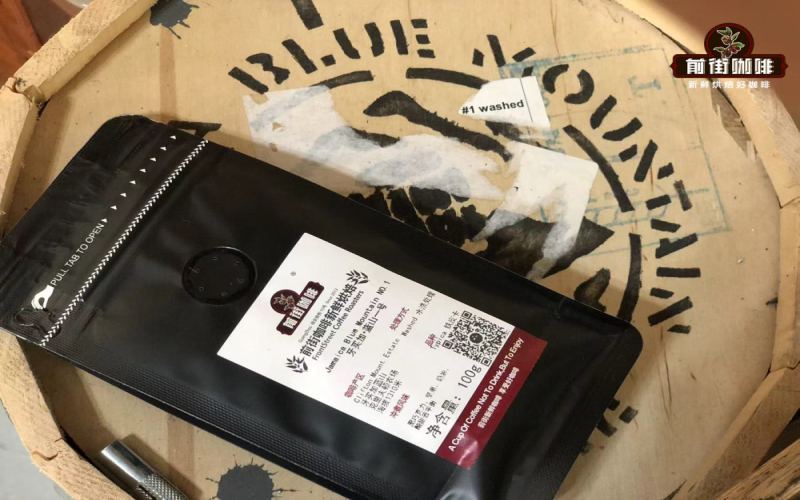
A Detailed Guide to Jamaican Blue Mountain Coffee Grading: Is Blue Mountain Flavor a Specialty Bean and the Taste Characteristics of Front Street Blue Mountain
Blue Mountain coffee is globally recognized as one of the top specialty coffees, but the market is flooded with products bearing the "Blue Mountain" label, making it difficult to tell whether Blue Mountain flavored coffee beans truly qualify as specialty coffee and how to distinguish authentic Jamaican Blue Mountain. This article approaches the topic through the certification and grading system of the Jamaica Coffee Industry Board, sorting out the grade differences from Blue Mountain No. 1 to Blue Mountain Peaberry, and explaining that only Typica beans grown in the Blue Mountain range at elevations of 910 to 1,700 meters may bear the name "Jamaican Blue Mountain Coffee." The article will also cover Front Street Coffee's Blue Mountain coffee washing process, the background of Clifton Mount Estate, and methods for identifying authenticity through price, aroma, certificates, and wooden barrel packaging, along with Front Street Blue Mountain No. 1's brewing parameters and flavor description, helping coffee enthusiasts fully understand the grading and tasting points of Blue Mountain coffee. [more…]
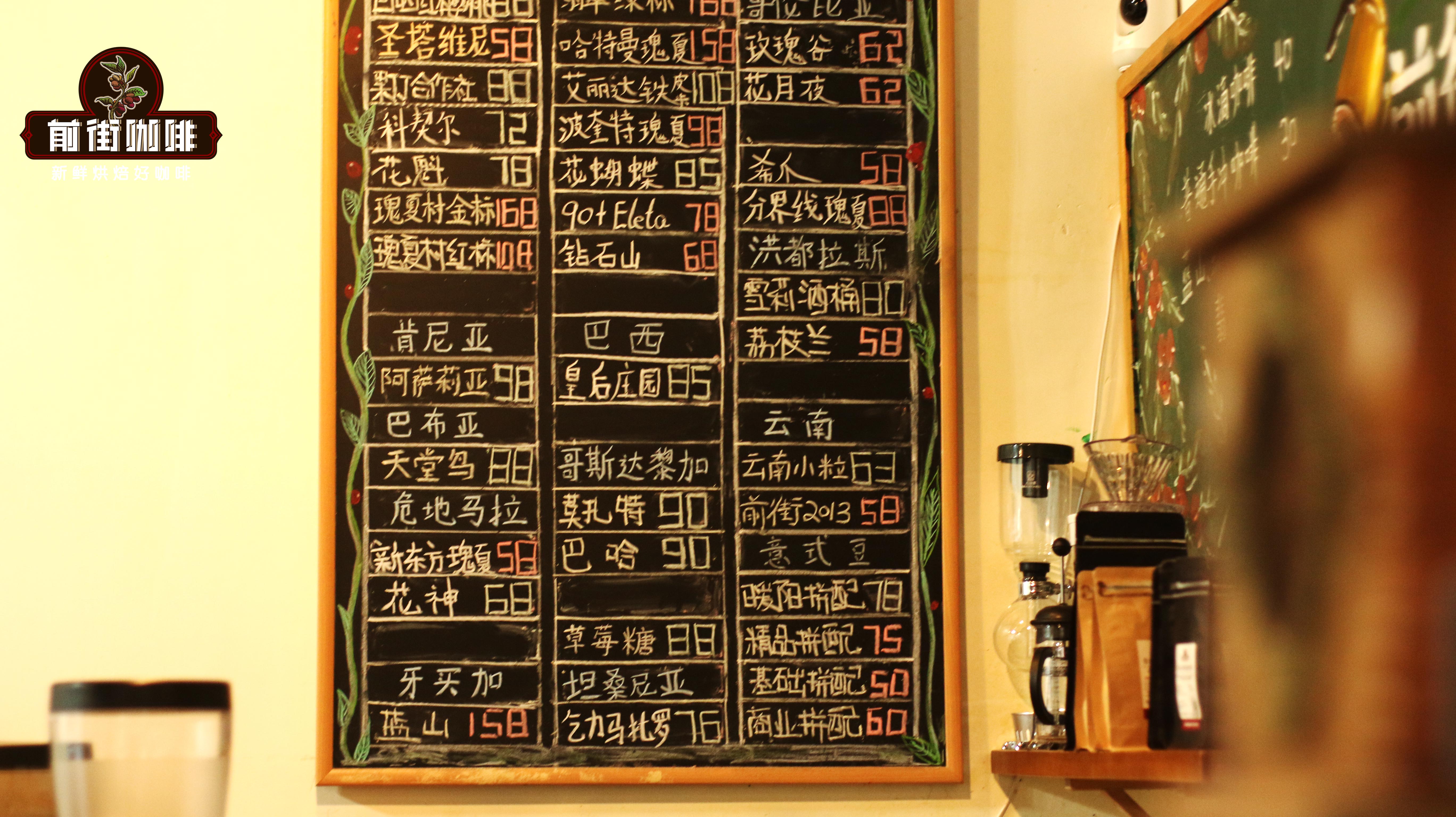
Jamaica Blue Mountain Coffee Flavor Analysis: Authenticity Identification Points, Price Factors, and Pour-Over Parameters Sharing
Jamaican Blue Mountain coffee is renowned worldwide in coffee circles, yet few truly understand it. Its scarce production leads to market demand exceeding supply, and various counterfeits flood the market as a result, leaving many enthusiasts paying high prices for fake goods. This article starts with Front Street Jamaican Blue Mountain coffee beans, systematically outlining how to identify authentic Blue Mountain, its flavor characteristics, the reasons behind its high price, and the brewing parameters used at Front Street locations. Whether you are preparing to purchase or have already bought some, you will find practical reference information here to help you avoid consumer traps and enjoy a cup of truly authentic Blue Mountain coffee. [more…]
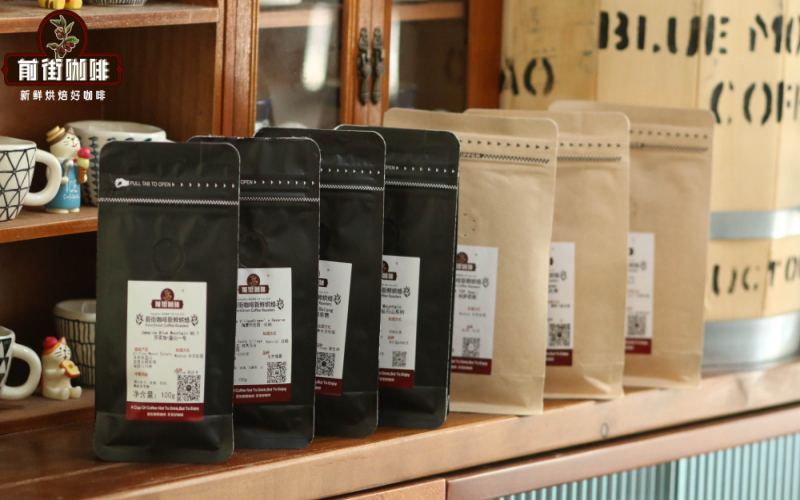
The Complete Guide to Authentic Jamaican Blue Mountain Coffee Bean Market Prices, Purchasing Key Points, and Front Street Coffee Pour-Over Parameters
Blue Mountain coffee was once an unattainable top-tier beverage, but today enjoying its authentic flavor is no longer difficult. At Front Street Coffee locations, you can savor a cup for just 60 yuan, and Blue Mountain No. 1 coffee beans are priced at 158 yuan per 100 grams. This article focuses on authentic Blue Mountain coffee, first introducing its unique growing environment and the strict management system of the Jamaica Coffee Industry Board, then outlining the grading standards from Blue Mountain No. 1 to Blue Mountain Peaberry, and explaining the historical origins of Japan's long-term priority purchasing of Blue Mountain coffee. Next, in response to the proliferation of genuine and fake products on the market, it summarizes methods for identifying authentic products, including price judgment, aroma characteristics, and certificate and barrel verification. Finally, Front Street Coffee shares a pour-over extraction plan for Blue Mountain No. 1, from dripper selection, grind size, and water temperature to the three-stage pouring steps, helping readers fully reproduce the classic Blue Mountain flavor. [more…]
Top Ten Coffee Beans in the World: A Full Breakdown of Origins, Estates, and Prices per Pound
In the world of coffee, some beans command soaring prices due to their rare origins, unique processing methods, or historical heritage. This article ranks the world's ten most expensive coffee varieties, from Hawaiian Kona to Indonesian Kopi Luwak, detailing their estates of origin, flavor characteristics, and price per pound. Whether you want to broaden your coffee knowledge or are looking for your next bag of specialty beans worth investing in, this list will give you a clearer understanding of the high-end coffee market. The article also specifically mentions the Jamaica Blue Mountain No. 1 coffee on Front Street Coffee's bean list for interested enthusiasts to consider purchasing. [more…]
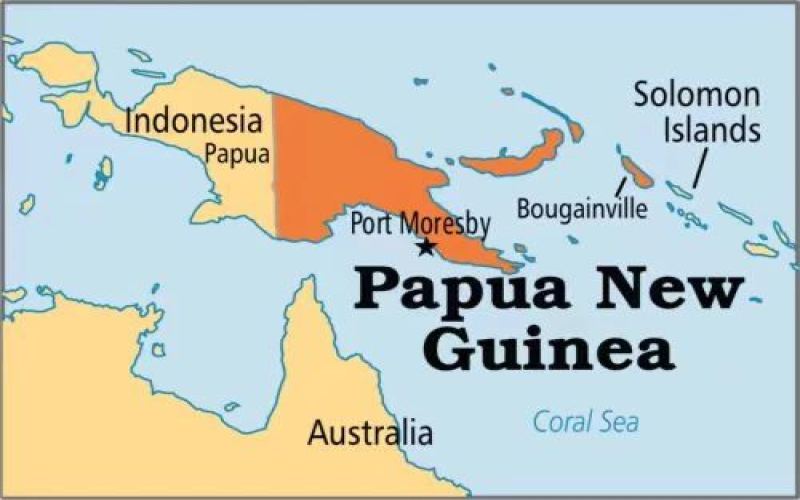
Why is Papua New Guinea coffee called Little Blue Mountain? Flavor differences from Jamaican Blue Mountain and an analysis of Bird of Paradise Estate
Papua New Guinea coffee is often called "Little Blue Mountain" by enthusiasts, a description rooted in both historical origins and similarities in terroir. This article begins with the Papua New Guinea coffee offered by Front Street Coffee, tracing the country's coffee introduction and cultivation history, industry fluctuations, and the reasons behind inconsistent quality, while providing a detailed analysis of Front Street's Papua New Guinea · Bird of Paradise Estate—including origin information, variety characteristics, washed processing methods, roasting recommendations, and brewing parameters—to help you understand its similarities to and differences from Jamaican Blue Mountain. [more…]
Papua New Guinea Bird of Paradise Estate Coffee Beans: Where Does the "Little Blue Mountain" Flavor of the Typica Variety Come From?
Papua New Guinea coffee is often dubbed "Little Blue Mountain," but few people have truly tasted it. For this reason, Front Street Coffee has specially introduced Front Street Papua New Guinea Bird of Paradise Estate coffee beans, sorting through everything from the region's terroir and cultivation history to variety characteristics. Bird of Paradise Estate is located in the Waghi Valley of the Western Highlands Province, at an altitude of about 1,500 meters, and is known for its Typica variety and washed processing. Its cup profile presents nutty notes, cocoa, gentle fruit acidity, and a caramel finish. This article will guide you through why coffee from this island nation combines richness with fruit acidity, as well as Front Street's roasting and brewing recommendations. [more…]
From Appearance to Taste: A Professional Barista Shares Five Key Points for Authenticating Jamaican Blue Mountain Coffee
Blue Mountain coffee is hailed as one of the finest coffees in the world, but the market is flooded with various blended imitations, making it difficult for many coffee enthusiasts to distinguish the genuine from the fake. Front Street Coffee systematically introduces methods for identifying authentic Jamaican Blue Mountain coffee from five dimensions: green bean appearance, hand-grinding feel, aroma performance, taste balance, and the overall experience when drinking. Genuine Blue Mountain coffee beans come from high-altitude regions, have a loose cellular structure, and feel crisp and consistent when hand-ground; their aroma is rich and dense, and their taste is balanced with no single note standing out—characteristics that blended beans cannot imitate. By mastering these key points, you can effectively tell the genuine from the fake when making a purchase and avoid being deceived. [more…]